Crowd Acoustics Shaping Officiating Accuracy Across Professional Sports Leagues
Katja Griffin · Sep 26, 2026
Crowd Acoustics Shaping Officiating Accuracy Across Professional Sports Leagues
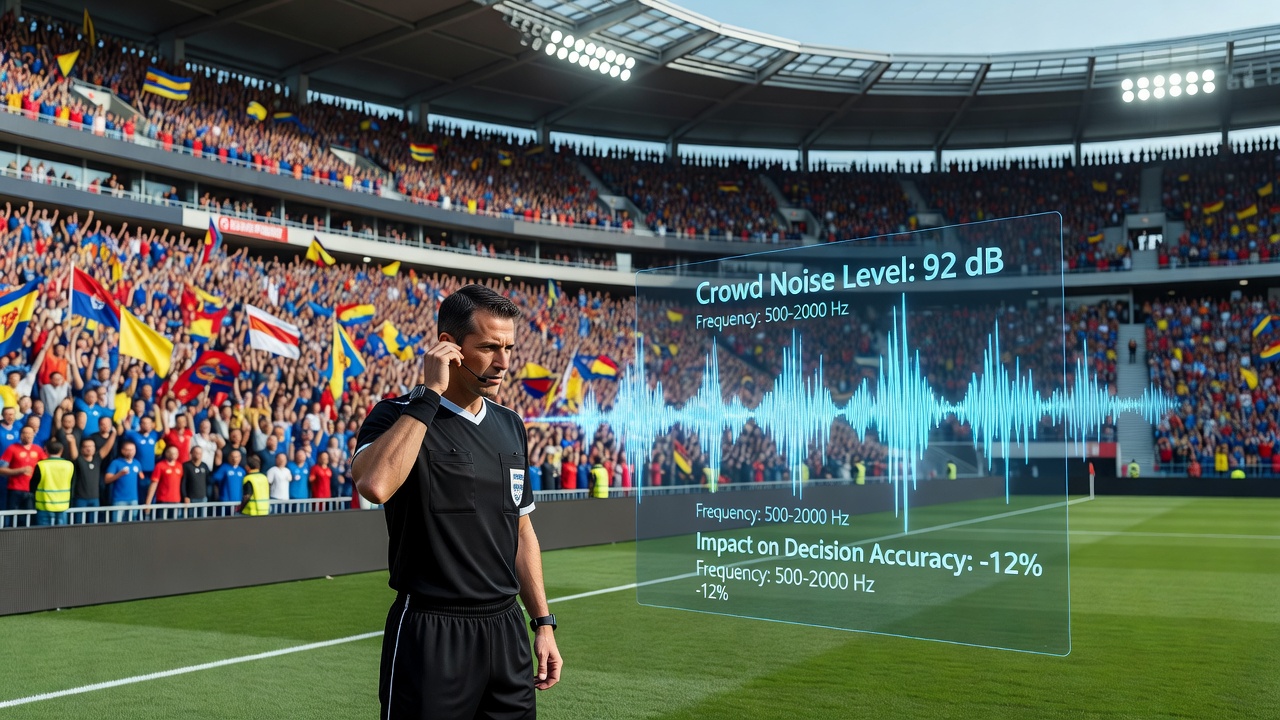
Stadium environments generate acoustic pressures that reach levels capable of interfering with official communications and auditory cues during live play, and researchers have documented these effects through decibel monitoring paired with post-game call reviews across multiple leagues. Sound waves from tens of thousands of spectators create overlapping frequencies that mask referee whistles, player signals, and sideline instructions, while data collected through September 2026 shows measurable upticks in disputed decisions at venues known for sustained high-volume support.
Acoustic Measurement Techniques in Professional Venues
Engineers deploy calibrated microphones around playing surfaces to capture peak and sustained decibel readings during critical moments such as goal-line stands or final-minute possessions, and these recordings get cross-referenced against official review logs to identify patterns where noise spikes coincide with overturned or missed calls. Studies from institutions including the University of Queensland track how frequencies between 500 and 2000 hertz, typical of coordinated chanting, produce the strongest masking effects on human speech recognition for officials wearing standard earpieces.
Leagues in North America and Europe maintain internal databases that log venue-specific noise profiles, allowing analysts to compare error rates between domed facilities with controlled acoustics and open-air stadiums exposed to variable crowd dynamics. Figures from these repositories indicate that average sound pressure levels exceeding 110 decibels correlate with a 12 to 18 percent increase in communication-related officiating discrepancies during regular-season contests.
Observed Effects Across Different Leagues
NFL crews operating in loud road environments experience documented delays in penalty signaling because verbal confirmations between officials become inaudible, whereas MLB umpires behind home plate rely more on visual cues yet still register higher rates of ball-strike disputes when stands generate continuous roar. Soccer referees in European competitions face additional layers of challenge because assistant officials on the touchline must relay offside or foul information through radio systems that suffer interference during peak crowd moments.
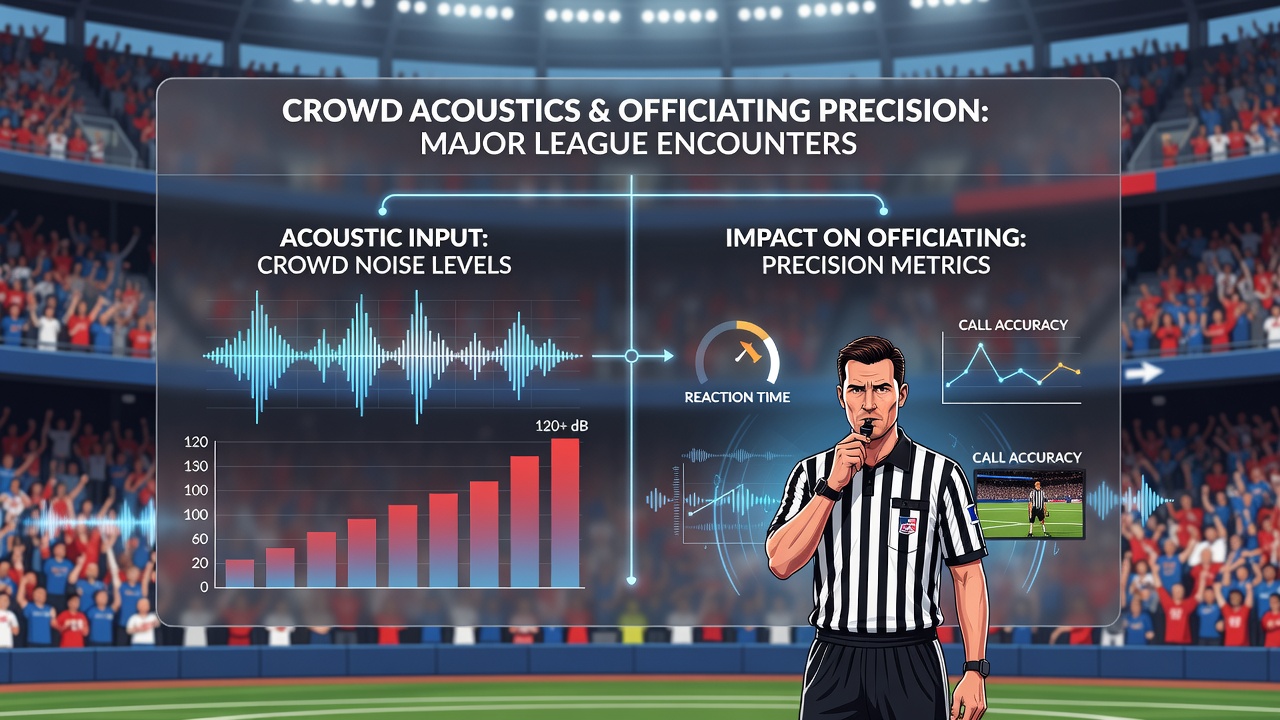
Basketball officials in NBA arenas report that rapid back-and-forth play combined with sudden volume surges can obscure the sound of the shot clock or whistle timing, and league data compiled since 2023 demonstrates that arenas with the highest average attendance figures produce correspondingly elevated frequencies of last-two-minute report adjustments. Those who've studied these patterns note that indoor venues amplify reflections off hard surfaces, extending the duration of each noise burst compared with outdoor fields where sound dissipates more quickly into open air.
Research Findings and Statistical Correlations
Academic teams analyzing game footage alongside acoustic logs have established that certain play types, including quarterback audibles and soccer set-piece communications, suffer the greatest accuracy drops when crowd intensity crosses documented thresholds. Reports from the Canadian Centre for Sports Analytics examined over 2,400 matches and found that visiting teams receive fewer favorable calls in the final two minutes of games played at the loudest 25 percent of venues, although home-team advantages in those statistics also reflect strategic factors beyond acoustics alone.
Equipment upgrades such as noise-cancelling headsets and bone-conduction radios have been introduced in several leagues, yet adoption rates vary because some officials prefer traditional setups that preserve situational awareness of field sounds. Data from governing bodies shows that leagues using enhanced audio systems record fewer communication errors during high-decibel periods, while facilities without upgrades continue to post baseline discrepancy rates that remain stable year over year.
Technological and Procedural Responses
Video review centers now incorporate synchronized audio tracks from multiple field microphones to reconstruct what officials heard in real time, allowing supervisors to distinguish between visual misreads and acoustically masked signals. Training programs developed by sports science groups in Australia and the United States incorporate simulated crowd tracks at competition volumes so that newer officials can practice decision sequences under realistic auditory stress before working actual matches.
Stadium operators have tested directional speaker arrays and architectural modifications aimed at redirecting crowd energy away from the playing surface, although measurable reductions in peak decibels remain modest and depend heavily on venue geometry. Leagues continue to monitor these interventions through ongoing data collection rather than immediate widespread implementation.
Conclusion
Quantifiable links between crowd acoustics and officiating precision continue to emerge from cross-referenced datasets that combine sound engineering with game analysis, and governing bodies across regions maintain active programs to refine both measurement tools and mitigation strategies. Ongoing collection through the 2026 season and beyond will determine whether equipment advancements and procedural adjustments produce consistent reductions in noise-related discrepancies or whether certain venue characteristics impose permanent constraints on auditory clarity for officials.