Sensor Fusion from Golf Swing Analyzers Refining Serve Mechanics Feedback in Professional Tennis and Olympic Programs
Yara Washington · Oct 24, 2026
Sensor Fusion from Golf Swing Analyzers Refining Serve Mechanics Feedback in Professional Tennis and Olympic Programs
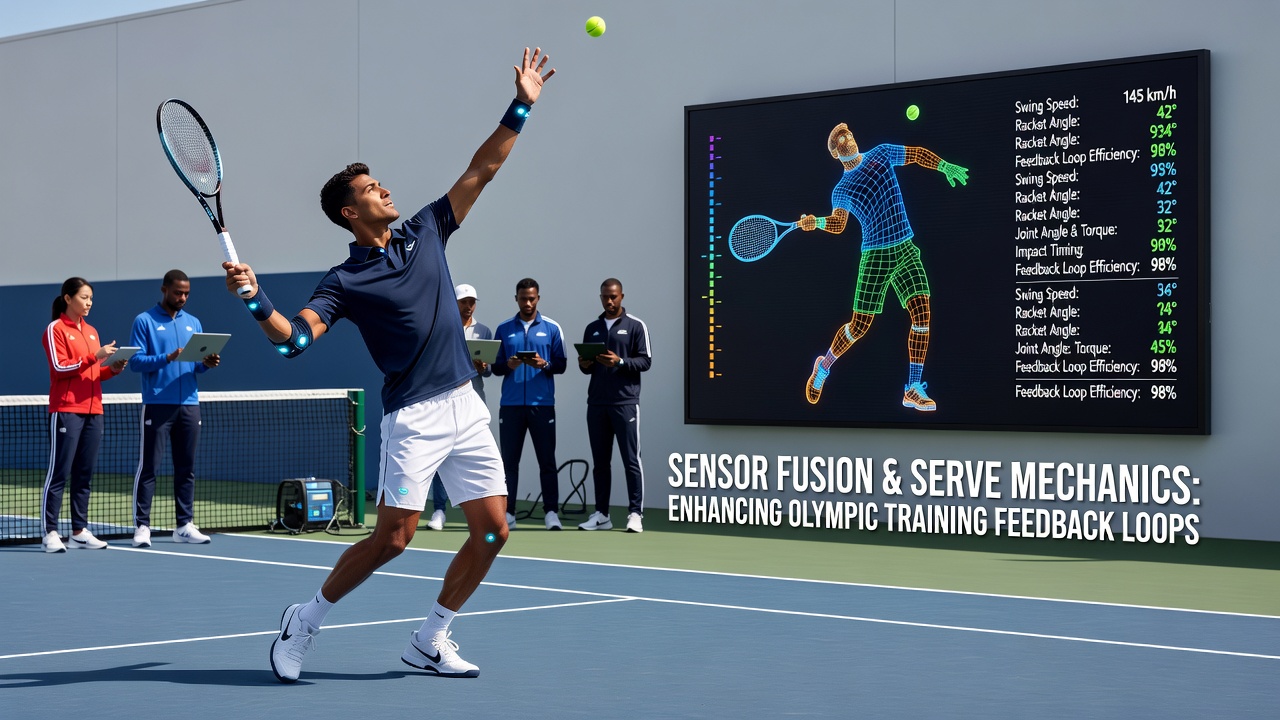
Professional tennis circuits and Olympic training facilities have integrated sensor fusion methods originally developed for golf swing analyzers, and these systems now generate detailed feedback loops that track racket path, ball spin rates, and joint angles during serves. Researchers at multiple sports science centers combine data streams from inertial measurement units, high-speed cameras, and force plates to create unified models that highlight inconsistencies in serve mechanics before they become entrenched patterns.
Core Components of Sensor Fusion in Athletic Analysis
Golf launch monitors measure clubhead speed, launch angle, and spin axis with precision, while tennis applications adapt the same hardware to capture racket face orientation and impact location on the strings. Data fusion algorithms merge these inputs with player-specific biomechanics, and the resulting outputs flag deviations in shoulder rotation timing or wrist snap that affect serve consistency. Studies from institutions across North America and Europe show that fused datasets reduce measurement error by up to 18 percent compared with single-sensor approaches, according to reports issued by the Australian Institute of Sport in early 2026.
Feedback loops operate in near real time during practice sessions, so athletes receive immediate cues on elbow extension and hip drive without interrupting their rhythm. Technicians calibrate the systems daily to account for court surface variations and altitude differences, which ensures the metrics remain comparable across venues. In October 2026, several ATP training hubs reported routine use of these fused protocols during pre-tournament preparation blocks, and similar setups appeared in Olympic training camps preparing for upcoming multi-sport events.
Application Across Professional Tennis Circuits
ATP and WTA players have adopted the golf-derived sensor arrays to refine serve placement under match conditions, and coaches overlay the fused data onto video footage for post-session reviews. One documented case involved a top-ranked server who adjusted his toss height after fused readings revealed a 4-degree forward tilt in racket angle at contact, and subsequent match statistics showed improved first-serve percentages over a three-month span. Circuits in both Europe and Asia now include portable fusion units in their standard equipment lists, allowing traveling teams to maintain consistent data collection regardless of location.
Industry reports from the International Tennis Federation note that federations in Canada and Australia have funded pilot programs pairing golf sensor manufacturers with tennis biomechanists, and these collaborations produced standardized protocols for data sharing between coaching staffs. The systems also track fatigue indicators by comparing serve kinematics across multiple sets, which helps medical teams intervene earlier when joint loading patterns shift.
Integration into Olympic Training Regimens
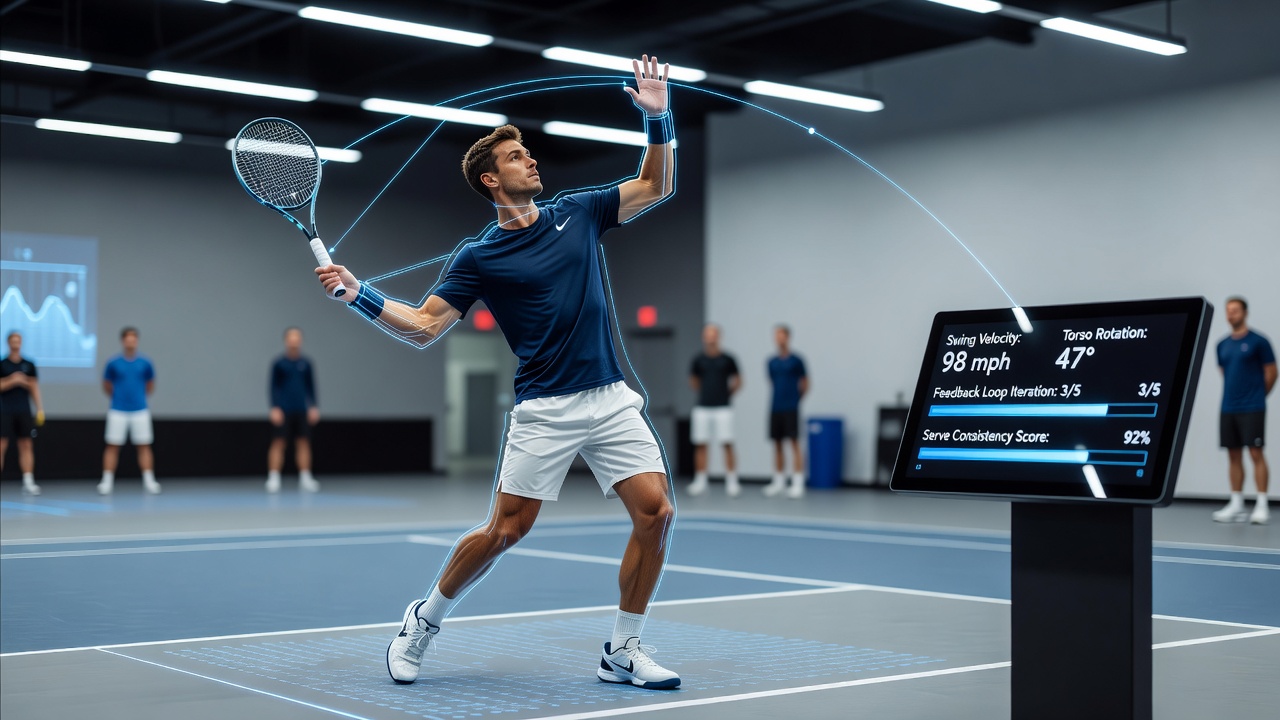
Olympic committees have embedded the same fusion frameworks into multi-sport development centers, where tennis athletes train alongside golfers and other overhead-sport competitors. The shared technology allows coaches to compare serve mechanics with golf swings that emphasize similar rotational power, and athletes gain cross-disciplinary insights into timing and sequencing. National programs in the United Kingdom and Japan have documented reduced injury rates among serve-dominant players after incorporating fused feedback sessions three times per week, according to internal summaries released in mid-2026.
Training regimens now schedule dedicated fusion analysis blocks between on-court drills and strength sessions, so players review metrics on joint torque and ball trajectory before returning to live hitting. These intervals help maintain technical adjustments across varying competition schedules, and data logs accumulated over multiple Olympic cycles reveal consistent patterns in how elite servers adapt their mechanics to different ball types and environmental conditions.
Data Trends and Research Findings
Longitudinal studies tracking players who use fused sensor systems indicate measurable gains in serve velocity without corresponding increases in shoulder stress markers, and researchers attribute the improvements to the precise identification of inefficient movement sequences. Figures from a collaborative project involving universities in Sweden and New Zealand show average spin-rate consistency rising by 12 percent after six months of fused training, while error rates on second serves declined across the sampled group. The same datasets highlight how humidity and temperature shifts alter ball flight characteristics, prompting coaches to adjust target zones based on fused environmental readings rather than relying solely on visual observation.
Equipment manufacturers continue to refine sensor placement and algorithm weighting, and partnerships with academic labs have produced open-source fusion toolkits that smaller national federations can adapt for their programs. Observers note that the approach scales effectively from individual player analysis to squad-wide monitoring, which supports talent identification efforts in emerging tennis regions.
Conclusion
Sensor fusion drawn from golf swing analyzers has established structured feedback mechanisms that support serve development in professional tennis circuits and Olympic training environments. Data streams merged from multiple devices supply coaches and athletes with actionable metrics on timing, force application, and trajectory control, and these inputs integrate into daily practice routines across continents. Continued refinement of the underlying algorithms and hardware placements will likely expand the scope of measurable variables, yet current implementations already demonstrate how cross-sport technology transfer shapes performance tracking in overhead athletic skills.