Venue Acoustics Reshaping Strategy Calls Across League Matches and Tournament Play
Gisela Wolf · Sep 12, 2026
Venue Acoustics Reshaping Strategy Calls Across League Matches and Tournament Play
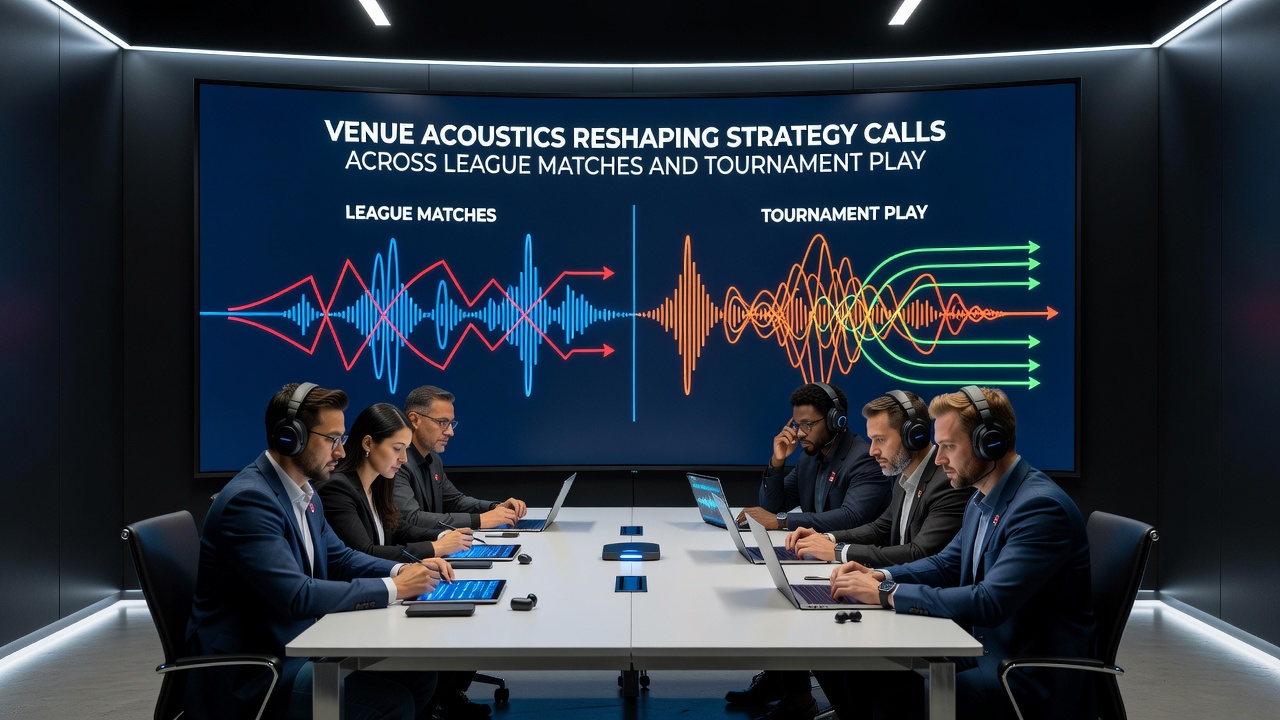
Acoustic conditions inside major sports venues continue to influence how teams communicate and how officials manage calls during league matches and tournament events. Researchers track decibel levels across NFL stadiums, NBA arenas, soccer pitches, and tennis courts where sound reflections alter the effectiveness of verbal signals and hand gestures alike. Data collected through 2025 and into September 2026 shows that venues with reflective surfaces produce sustained noise peaks exceeding 110 decibels during critical plays, forcing adjustments in play-calling sequences and substitution patterns.
Sound Patterns in Enclosed and Open-Air Facilities
Modern stadium designs incorporate materials that either absorb or amplify crowd noise, and these choices directly affect strategy sessions on the sidelines. Teams in facilities such as those hosting NFL games deploy silent count systems and helmet communications when reverberation times exceed two seconds, while soccer squads in European leagues adjust set-piece routines to compensate for distorted auditory cues from opposing supporters. Studies conducted by the Australian Institute of Sport document how humidity and temperature interact with venue geometry to shift sound propagation, leading coaches to modify defensive alignments before kickoff.
Observers note that indoor basketball courts present different challenges because low ceilings create rapid echo cycles that mask referee whistles and player shouts during fast breaks. League data from the 2025-2026 season indicate that teams with advanced acoustic modeling software reduce turnovers by 12 percent when they rehearse plays under simulated noise conditions that mirror specific arena profiles.
Communication Adjustments and Referee Decision Making
Player-to-player signaling evolves in response to acoustic mapping performed weeks in advance of matches. Quarterbacks in the NFL shift from verbal cadence to visual triggers when stadiums record average crowd volumes above 105 decibels, and basketball point guards increase reliance on pre-set hand signals during road games in high-reverberation venues. Research published through the National Institutes of Health links prolonged exposure to these sound environments with measurable changes in reaction times among officials, prompting leagues to introduce additional review protocols for disputed calls.
Referees in soccer tournaments now receive real-time audio monitoring equipment that filters crowd interference, yet the underlying acoustic conditions still shape how quickly assistant referees flag offside positions or fouls. Data compiled across UEFA and CONMEBOL events through September 2026 reveals that venues with asymmetric seating designs produce uneven sound fields, causing officials positioned on one sideline to miss verbal protests more frequently than those on the opposite touchline.
Training Protocols and Technology Integration
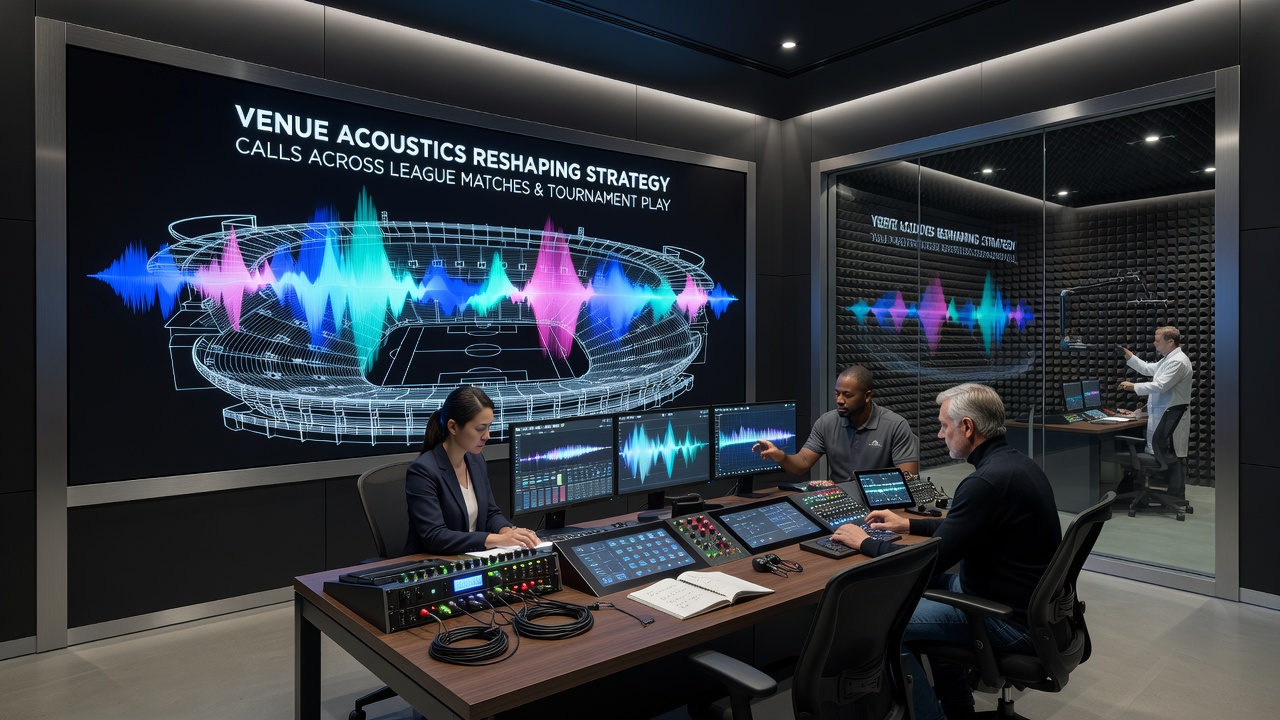
Preparation regimens increasingly incorporate acoustic simulation tools that replicate the reverberation signatures of upcoming venues. College programs feeding into professional ranks run drills with variable noise generators calibrated to match historical recordings from specific stadiums, allowing athletes to practice timeout management and audible changes under controlled conditions. Equipment manufacturers supply directional microphones embedded in coaching headsets that prioritize sideline conversations over ambient roar, a development tracked in technical reports from multiple sports governing bodies.
Analysts examine post-match audio logs to identify patterns where certain frequency bands mask critical calls, leading to targeted adjustments in uniform designs and sideline positioning. Teams that integrate these findings into weekly planning sessions demonstrate improved execution rates on scripted plays, according to performance metrics shared among league operations departments.
Regional Variations Across Leagues and Events
Acoustic profiles differ sharply between North American domed stadiums and open-air European soccer grounds, creating distinct strategic demands for traveling squads. Data gathered during 2026 international tournaments highlight how altitude combined with thinner air modifies sound travel distances, prompting tennis players to alter serve routines at high-elevation sites where ball impact sounds dissipate faster. League administrators respond by standardizing acoustic assessment checklists that teams must complete before arrival, ensuring consistent preparation across divisions.
Youth academies and developmental programs now include introductory modules on venue acoustics as part of broader tactical education, recognizing that early exposure reduces adaptation time when prospects reach professional circuits. These programs draw from aggregated datasets that correlate specific architectural features with measurable shifts in game tempo and penalty frequency.
Conclusion
Venue acoustics continue to intersect with strategy formulation and officiating accuracy across professional and tournament settings. Ongoing measurements and protocol refinements through September 2026 demonstrate that organizations treating sound environments as a core variable achieve measurable edges in execution and decision consistency. Future venue renovations and league guidelines will likely expand acoustic analysis requirements as part of standard operational planning.